REVIEW · OBERAMMERGAU
Oberammergau Private Guided Walking Tour
Book on GetYourGuide →Operated by Travmonde OÜ · Bookable on GetYourGuide
A small village, and then history keeps stacking up. What I like most is the personal pace of a private guide and the way the tour connects wood carving, the Passion Play, and even darker 20th-century corners in just 90 minutes. One thing to consider: because it’s a walking tour with no entrance fees included, you’ll get stories and context more than ticketed sightseeing stops.
You’ll start in the center of Oberammergau and move through the streets in a way that helps it make sense: the Ammer valley setting, the village’s monastery beginnings, why pilgrims passed through, and how a plague and war shaped one of the most famous religious performances in Europe. In one of the standout notes I picked up from real bookings, the guide Ekaterina was described as knowledgeable and articulate, with stories that felt tailor-made even for a tiny group.
In This Review
- Key highlights I’d circle first
- Oberammergau’s streets: the fast way to understand why this village matters
- From the Ammer River to 9th-century roots linked to Ettal
- Pilgrimage routes and markets: how the village became a crossroads for craft
- Märchenhäuser and the Brothers Grimm connection you can spot while walking
- Frescoes, faith, and the house-front art that changes how you see the village
- Plague and war: how the 30 Years War and Black Plague shaped the Passion Play
- WWII secrets in the village: Wehrmacht HQ and the Messerschmitt factory
- The Passion Play’s origins and its exclusive cast—what you’ll learn and why it matters
- Private guide value: why $280 for up to 15 can make sense
- What to wear and how to plan your 90 minutes
- Who this tour is best for (and who might not love it)
- Should you book this Oberammergau Private Guided Walking Tour?
- FAQ
- How long is the Oberammergau Private Guided Walking Tour?
- What is the meeting point?
- How much does it cost?
- Is this a private tour?
- What languages are available?
- What’s included in the price?
- Are entrance fees included?
- Can I cancel for a full refund?
- Is there a reserve & pay later option?
- What kind of topics does the guide cover?
Key highlights I’d circle first
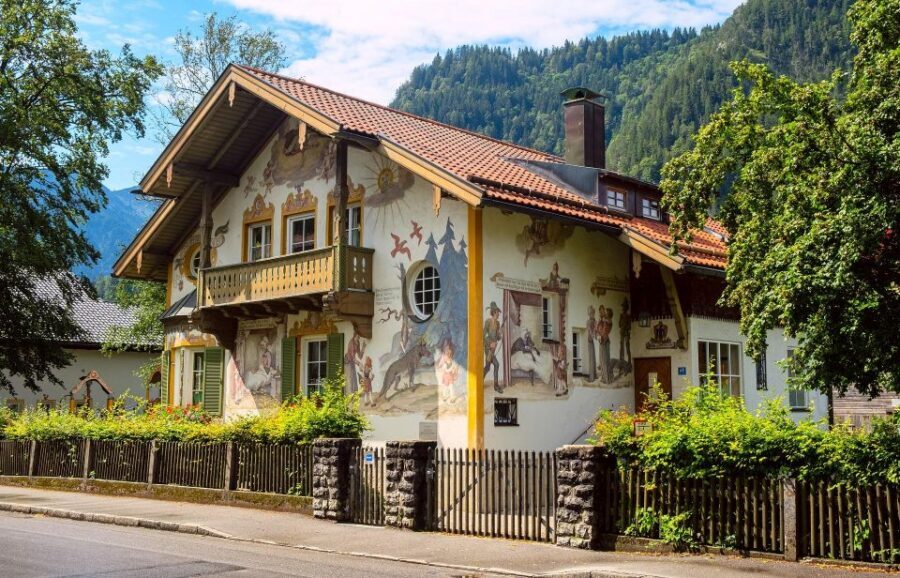
- Märchenhäuser on the street level: fairy-tale houses tied to the Brothers Grimm tradition
- Wood carving explained as a network: how markets helped spread the craft from the 14th century onward
- Passion Play origins with cause-and-effect: the 30 Years War and the Black Plague in the storyline
- WWII-era history in plain sight: Wehrmacht headquarters and the Messerschmitt factory connections
- A private guide who can adjust on the spot: you can steer questions during the walk
Oberammergau’s streets: the fast way to understand why this village matters
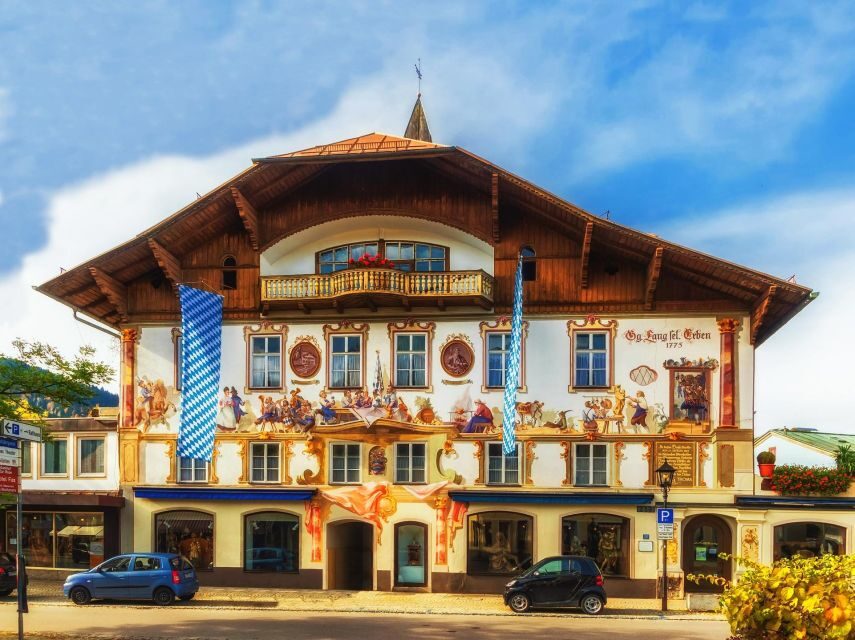
Oberammergau is easy to admire. The houses and carvings can feel like a museum without the museum rules. But the real magic comes when someone helps you connect the village’s design—wood, painted facades, and the town’s famous Passion focus—to the events that shaped it.
This is a private guided walking tour with a duration of 90 minutes, so it works best as an orientation and story-builder. You’ll likely leave with a mental map of the village: where the monastery link begins, how pilgrimage traffic flowed through, and how craft traditions tied into that flow. That matters because Oberammergau can look “pretty” on the surface, yet feel oddly complicated once you start noticing details like frescoes and the Märchenhäuser.
The meeting point is right in the center: in front of the tourist office at Eugen-Papst-Straße 9A, 82487 Oberammergau. Plan to arrive a few minutes early, because once you start walking, you’ll want to be present when the guide begins the historical thread.
From the Ammer River to 9th-century roots linked to Ettal
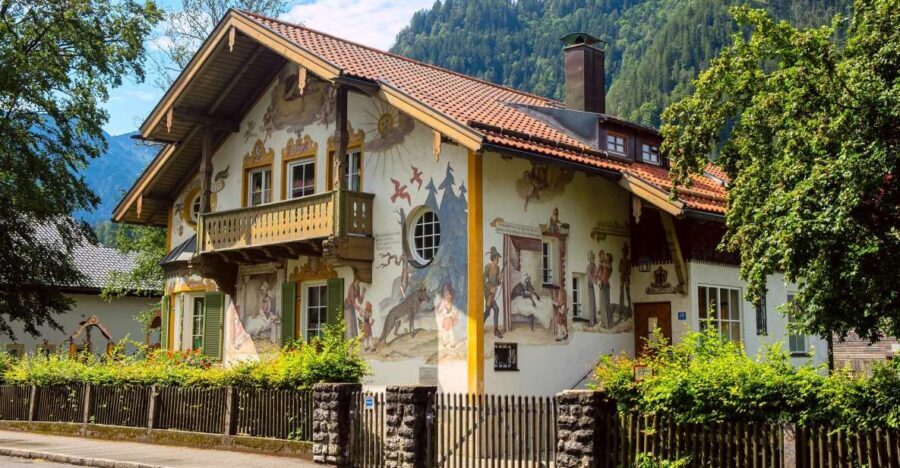
You’ll learn how geography set the stage before politics and religion did. Oberammergau is in the Ammer valley, named after the river Ammer that crosses the village. That simple fact helps you visualize why this place became more than a quiet alpine stop.
The tour also walks you back much farther than many visitors expect. The area has roots in the late Bronze Age, then the village as we know it starts with a small monastery in the 9th century. This monastery link matters because it connects Oberammergau to the nearby Ettal Monastery, and that religious relationship helps explain why pilgrimage routes found their way into town.
What I like about this part is the way it sets up everything else. When you understand that Oberammergau wasn’t “made famous” by accident, the rest of the walk clicks: the market role, the church-centered reputation, and the lasting importance of the Passion Play.
Pilgrimage routes and markets: how the village became a crossroads for craft
Oberammergau’s location between Germany and Italy turns it into a logical stopping point. The tour highlights how pilgrims passed through en route to Rome, which is the kind of detail that makes a small town feel connected to a much bigger story.
From there, you’ll connect pilgrimage traffic to the village’s wood carving reputation. The tour traces how pilgrimage routes and markets helped spread wood carving traditions, especially as the craft took off from the 14th century onward. You don’t just hear that Oberammergau became a carving center. You hear why it had the audience—and why the village had incentive to keep producing and refining its style.
This is also where a private guide earns its keep. If you care more about how trade and religious travel shaped everyday life, you can ask questions while walking. If you care more about art and symbolism, you can steer the conversation toward how designs relate back to the Passion focus and house frescoes.
Märchenhäuser and the Brothers Grimm connection you can spot while walking
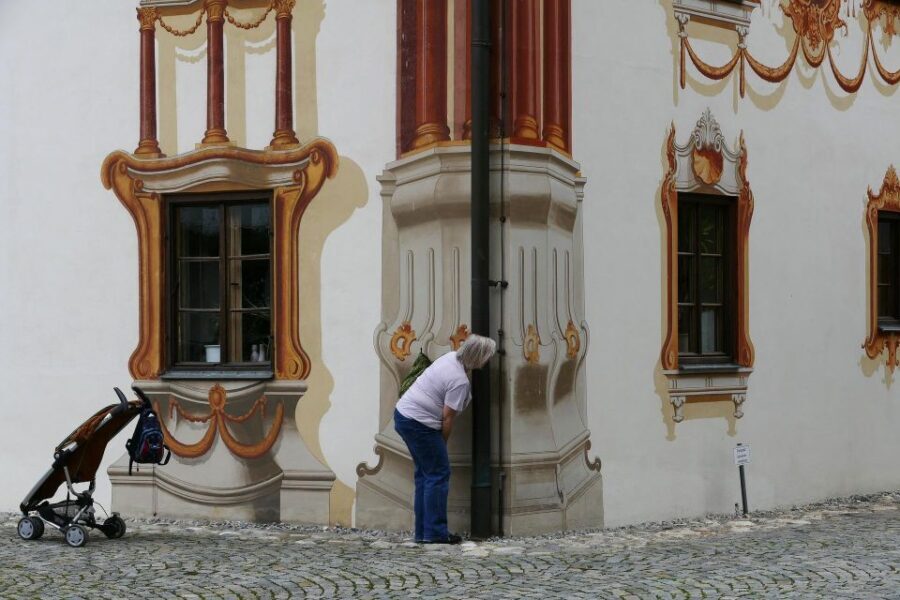
One of the easiest ways to enjoy Oberammergau is to look with purpose. The tour helps you do that through the idea of Märchenhäuser—fairy-tale houses tied to oral German folklore collected by the Brothers Grimm in the early 19th century.
This is not abstract trivia. Once you know what to listen for, you start seeing references as you move through the streets. The tour frames Märchenhäuser as part of the village’s blend of sacred and profane. In other words, Oberammergau isn’t only about Christian storytelling. It also has a strong thread of folk narrative, and the town’s house decorations become a kind of public storytelling board.
A practical note: because this is a walking tour through village streets, you’ll get the best experience if you keep your eyes up and your phone away. These details are meant to be noticed in motion, not hunted for like a scavenger hunt.
Frescoes, faith, and the house-front art that changes how you see the village
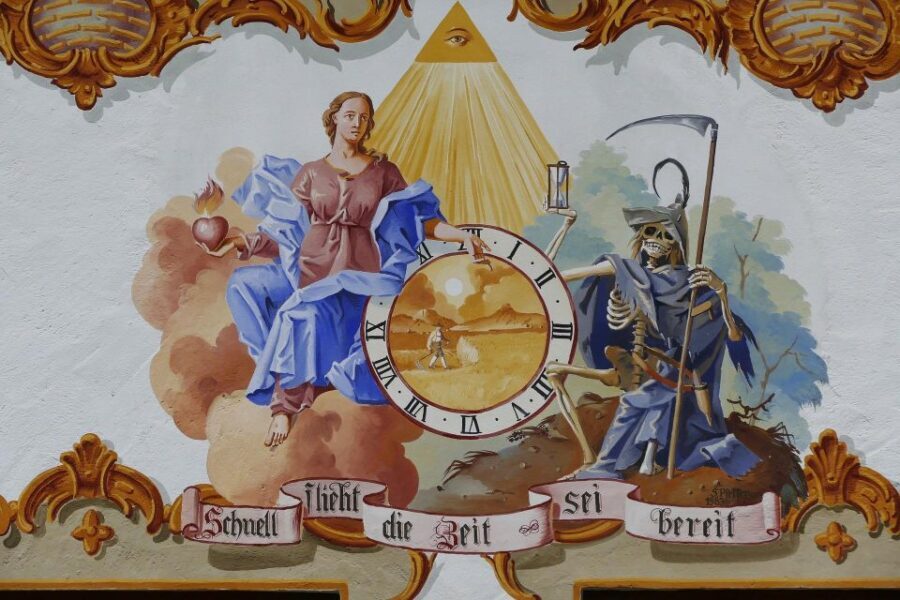
The Passion focus is famous, but this tour nudges you to notice the broader visual language around you. You’ll learn about the village’s 18th-century frescoes painted on the town’s houses, and you’ll also understand why that kind of art makes sense in a place where religious story and public space are tightly linked.
If you’ve ever wondered why some towns feel “themed,” this is the answer: the theme isn’t a marketing decision. It’s a tradition expressed on building fronts, so the story becomes part of everyday street life.
When you put it together—monastery roots, pilgrimage stopovers, markets that spread carving styles, and house-front frescoes—the village starts to feel less like a postcard and more like a living cultural system. That’s the difference between seeing Oberammergau and understanding it.
Plague and war: how the 30 Years War and Black Plague shaped the Passion Play
History here isn’t just background noise. The tour explicitly connects the 30 Years War to the return of the Black Plague and then links that crisis to the rise of the Passion of Christ play.
That sequence matters because it reframes the Passion Play as something born from fear, survival, and community need—not just performance art. When you hear the cause-and-effect story, the Passion Play origin feels less distant and more human. It’s still sacred drama, but you understand why this particular format took root here.
This part of the walk also helps you grasp why the Passion Play became known as one of the best representations of the last days of Christ. The tour doesn’t require you to be religious. It asks you to be curious about how a community turns trauma into tradition.
WWII secrets in the village: Wehrmacht HQ and the Messerschmitt factory
Oberammergau has layers, and this tour doesn’t ignore the darker ones. You’ll uncover WWII-era connections, including Wehrmacht headquarters and a Messerschmitt factory tied to the village’s history.
For many visitors, this is the surprise turn: you expect medieval faith and wood carving. You get a reminder that even quiet alpine towns were connected to the big, harsh machinery of 20th-century Europe.
A balanced expectation: since this is a walking tour, you’re not touring a museum exhibit or handling documents. Instead, you’ll learn the story behind the connection as you move through the village. If you want to go deeper later, you’ll be better prepared to know what to look for on your own.
The Passion Play’s origins and its exclusive cast—what you’ll learn and why it matters
The tour explains the origins of the Passion Play and also highlights that it has an exclusive cast. That exclusivity is important because it suggests the performance isn’t treated like a casual production. It’s tied closely to community identity and continuity.
In practical terms, learning the origin story helps you interpret what you may see later if you attend a performance or explore related exhibits independently. You’ll have context for why certain themes matter so much here and why the Passion Play carries weight far beyond a single season.
I also like that the tour doesn’t force everything into a single religious frame. It keeps returning to the way Oberammergau holds both the sacred and the everyday—frescoes, carvings, and Märchenhäuser—so the Passion Play feels like the village’s most visible expression, not its only personality.
Private guide value: why $280 for up to 15 can make sense
The price is $280 per group for up to 15 people, lasting about 90 minutes. On paper, that sounds like a lot. In practice, it can be excellent value when you compare it to the cost of individual guided access—especially in a small village where a good guide can turn “pretty streets” into an actually memorable narrative.
Here’s the math that tends to matter: if you’re traveling with friends or family and want one person to set the context while you enjoy the walk without constantly reading on your own, the group price becomes easier to justify. It also buys you the flexibility for customizing on the spot with your local guide, which is where private tours can outperform standard group routes.
This is also a good pick if you’re the type who likes history with clear links. The structure of the stories—monastery roots to pilgrimage routes, then to carving traditions, then to plague/war and Passion Play origin, and finally WWII connections—creates a timeline you can remember.
What to wear and how to plan your 90 minutes
Because the entire experience is a walking tour, you’ll want comfortable shoes. Oberammergau is in Bavaria and known for an alpine setting, so even when the weather is decent, village streets can be uneven and you’ll be moving for the full 90 minutes.
I’d also think of this tour as best placed early in your day, or early in your Oberammergau time. It gives you a framework. After that, you’ll enjoy exploring on your own because you’ll know what the key references mean—Märchenhäuser, frescoes, carving tradition, and the Passion Play origin story.
And since entrance fees are not included, plan to do any ticketed stops separately if you want them. This guide is about interpretation, not paid admission.
Who this tour is best for (and who might not love it)
This tour is a strong fit if you want a guided way to connect the dots in Oberammergau: sacred art, wood carving traditions, and the village’s historical turns. It also works well if you enjoy when a guide can explain why people tell certain stories in certain places—especially when those stories tie into real events like plague and war.
You might not love it if you’re looking for a long list of museum-style stops or lots of paid entrances. This is intentionally timed at 90 minutes, and it’s built around walking, storytelling, and street-level interpretation.
Should you book this Oberammergau Private Guided Walking Tour?
If your goal is to leave Oberammergau feeling like you actually understand the village—not just that you saw it—then yes, book it. The private format, the chance to customize with your local guide, and the way the tour weaves together wood carving, Märchenhäuser, the Passion Play origin story, and WWII connections make this an efficient use of time.
It’s especially worth it for small groups who prefer a guide to steer the narrative. And if you’re curious about how a community’s identity gets shaped by both faith and hard history, this walking tour gives you that context without making it complicated.
If you’re only going for a quick look and want purely leisure time, you can skip it and explore on your own. But if you want your visit to feel sharper and more meaningful, this is a smart way to start.
FAQ
How long is the Oberammergau Private Guided Walking Tour?
It lasts 90 minutes.
What is the meeting point?
Meet in front of the tourist office at Eugen-Papst-Straße 9A, 82487 Oberammergau, Germany.
How much does it cost?
It costs $280 per group, up to 15 people.
Is this a private tour?
Yes, it’s a private group tour.
What languages are available?
The live tour guide is available in English and German.
What’s included in the price?
A local professional guide is included, and the guide will be with your group only. Customizing on the spot is also possible with your local guide.
Are entrance fees included?
No, entrance fees are not included.
Can I cancel for a full refund?
Yes. You can cancel up to 24 hours in advance for a full refund.
Is there a reserve & pay later option?
Yes. You can reserve now and pay later.
What kind of topics does the guide cover?
The tour covers Oberammergau’s monastery roots connected to Ettal, pilgrimage routes and markets, the village’s roles during the 30 Years War and Black Plague, WWII connections including Wehrmacht headquarters and a Messerschmitt factory, and the origins of the Passion Play including the idea of an exclusive cast.