REVIEW · HEUSENSTAMM
Heusenstamm:tour of the Depot of the museum of communication
Book on GetYourGuide →Operated by Museum für Kommunikation Frankfurt · Bookable on GetYourGuide
Old phones make time feel real.
This Museum Depot Heusenstamm guided walk is built around early messaging—the kind you could actually hold, switch on, and photograph—while showing off an astonishing 375,000 objects tied to how people communicated across decades. You’ll move through a collection that mixes everyday tech with showpiece hardware, so the history doesn’t feel like dusty theory; it feels like equipment.
What I like most is how quickly the tour gives you useful context: you’ll see 1930s television sets and radio design icons, then connect those to the bigger story of how communication systems grew. I also love the chance to take photos with rare historic vehicles, because it breaks up the “museum stare” and helps you remember what you saw. The main drawback is simple: 1.5 hours is a sprint through a huge collection, so you won’t catch every detail (and you may want to plan a return).
In This Review
- Key highlights worth your time
- Heusenstamm Depot: stepping into early messaging with real hardware
- From 1930s television to radio design icons
- The telephone story: tube receivers to internet radio and global networking
- Art inside the communication museum: 300+ paintings across centuries
- Photograph yourself with historic vehicles (and why it works)
- Museum of Communication Frankfurt: why the second ticket is a smart add-on
- Price and value: $16 for two communication venues
- Logistics that matter: German guide and Friday timing in Hessen
- Who this tour suits best (and who might want to adjust)
- Should you book the Museum Depot Heusenstamm tour?
- FAQ
- How long is the guided tour in Heusenstamm?
- Where does the tour take place?
- What’s included in the price?
- Is food or drinks included?
- What language is the live tour guide?
- Can I get a refund if I change my plans?
- Is there a reserve now, pay later option?
Key highlights worth your time
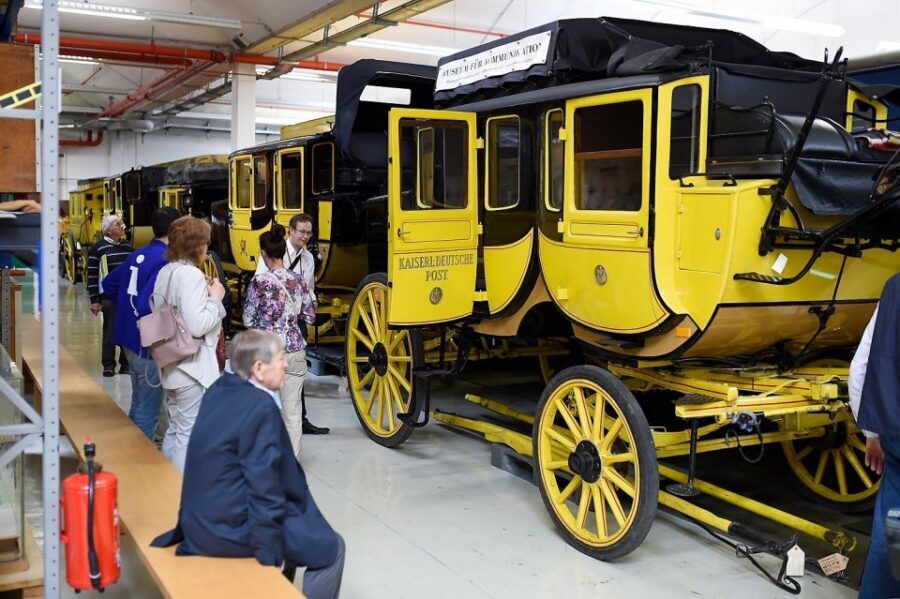
- Photo moments with rare historic vehicles that make the museum feel less formal
- 1930s TV sets and radio design icons that show how technology looked, not just how it worked
- The world’s largest telephone collection, with the evolution from tube receivers to later systems
- Large-scale communication artifacts, including sleighs, buses, and telephone boxes
- Art in the mix, with more than 300 paintings from the 17th century to contemporary works
Heusenstamm Depot: stepping into early messaging with real hardware
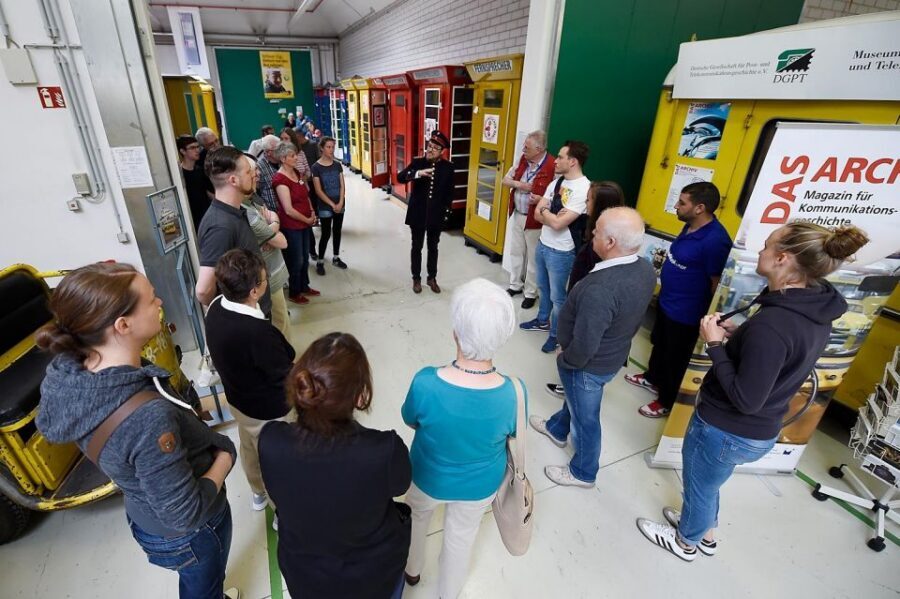
The Heusenstamm stop is where this experience earns its name: you’re not just reading labels. You’re walking through a communications storehouse that treats old tech like important design and engineering, not obsolete clutter.
You’ll get a guided pass through the depot’s collection, and the pacing matters. In about 1.5 hours, the guide helps you build a clear mental timeline—so when you see a radio, a television set, or a phone mechanism, you can place it in the larger story of how people connected.
A small but smart bonus here is the museum’s habit of mixing “pretty objects” with “big objects.” You’re likely to notice things you’d never think to photograph if the displays were just flat panels: how large equipment sat, how it was packaged, and how inventors made communication practical for everyday spaces.
From 1930s television to radio design icons
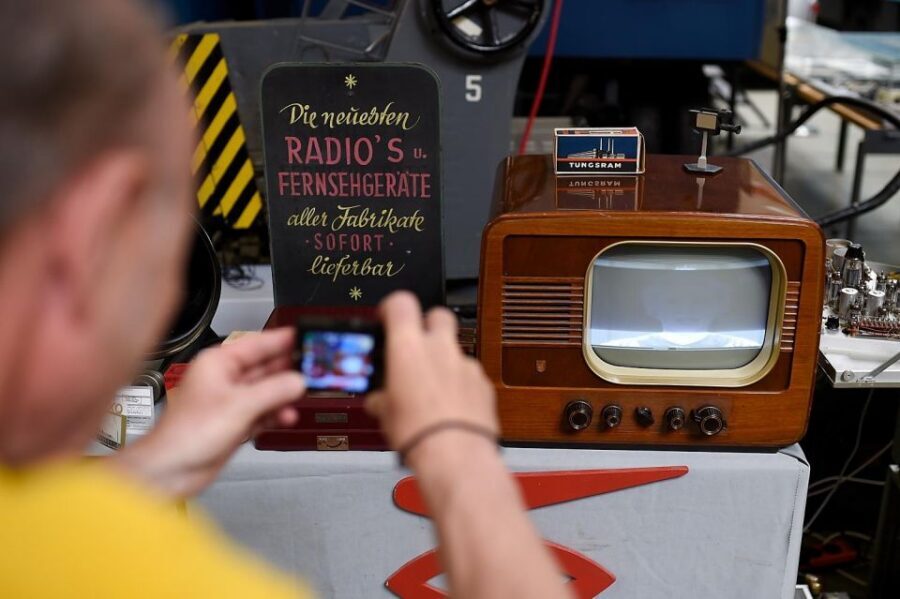
The depot doesn’t treat broadcasting as a side topic. You’ll encounter rare television sets from the 1930s, plus design icons tied to radio history. This matters because the look of early consumer electronics tells you something real: designers had to persuade people that the future was usable in their living rooms.
As you move through the displays, you can start noticing patterns. Buttons, dials, speakers, and casing materials all show up again and again—each one reflecting what engineers believed people needed at that moment. Even if you’re not a tech enthusiast, you’ll likely find yourself thinking about form and function together.
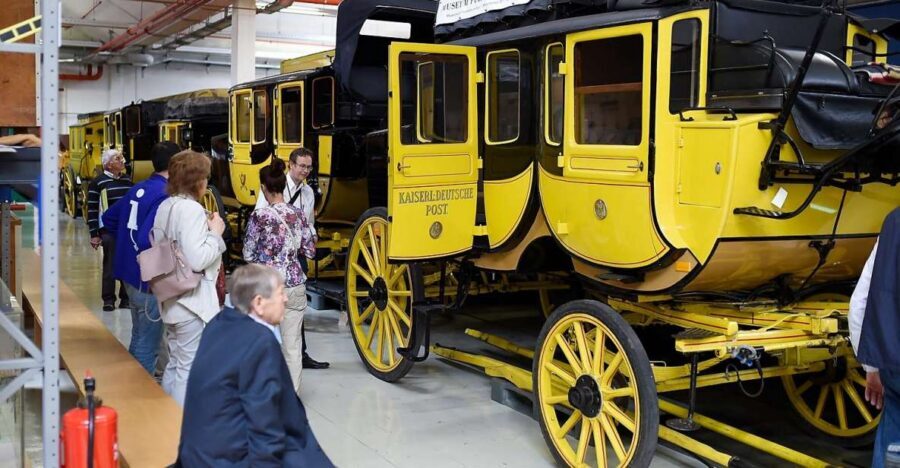
Then there’s the “scale shift.” The tour doesn’t stay small. You’ll also see large objects linked to communication, including sleighs, buses, and telephone boxes. That shift from tabletop devices to full-size artifacts helps you understand how communication equipment spread into streets and neighborhoods, not just private homes.
The telephone story: tube receivers to internet radio and global networking
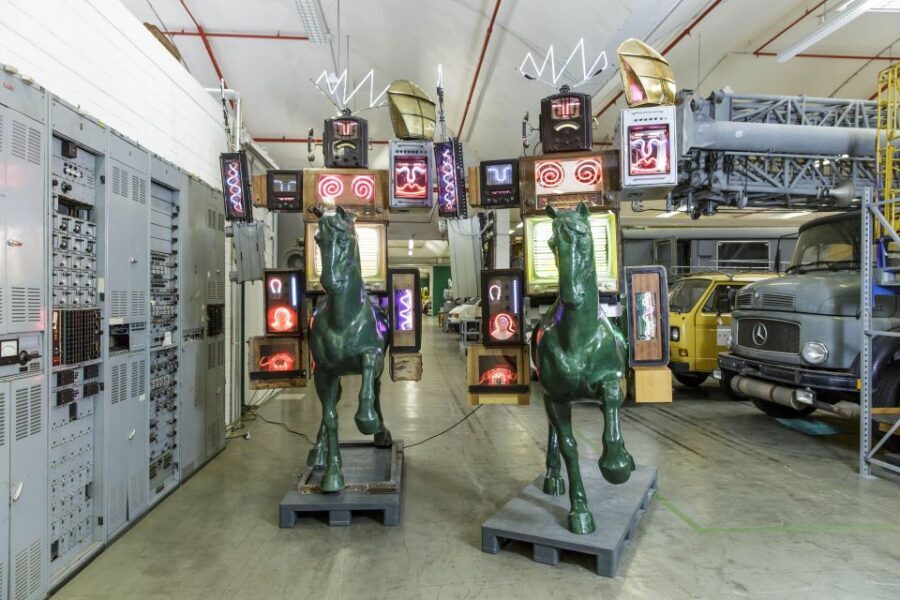
If you want the clearest payoff of this tour, it’s the world’s largest collection of telephones. Telephones are the backbone of modern communication, so watching the design evolve is like watching a whole infrastructure grow.
The guided route highlights the development from tube receivers to later forms that connect to internet radio and the broader idea of global networking. Instead of treating the “internet era” as a sudden jump, the tour frames it as a long chain of inventions—different hardware steps that each made communication faster, clearer, or easier to distribute.
One practical way to get more out of this portion: don’t just look at the newest-looking items. Try to mentally compare older receivers to the later concept you’re most familiar with. When you do, you’ll see how much work went into usability—how engineers made systems understandable and serviceable, not just technically possible.
You’ll also come away with a better sense of inventiveness. Communication isn’t only about one breakthrough. It’s a long series of improvements, standard changes, and new ways of connecting people across distances.
Art inside the communication museum: 300+ paintings across centuries
Not every science or tech museum quietly includes art, so this element is a nice surprise. The depot features more than 300 paintings, spanning the 17th century to contemporary works.
Why does this matter? Because it changes the tone of your visit. You go from hardware and mechanisms to visual storytelling and human expression. It reminds you that communication has always been cultural, not just technical.
Even if you’re not sure what you think about classic vs. modern painting, you can treat this as a breather and reset your eyes between equipment halls. It’s also a helpful reminder that museums collect meaning in many forms—sometimes a painting is there to show craft and perspective, not just to decorate.
Photograph yourself with historic vehicles (and why it works)
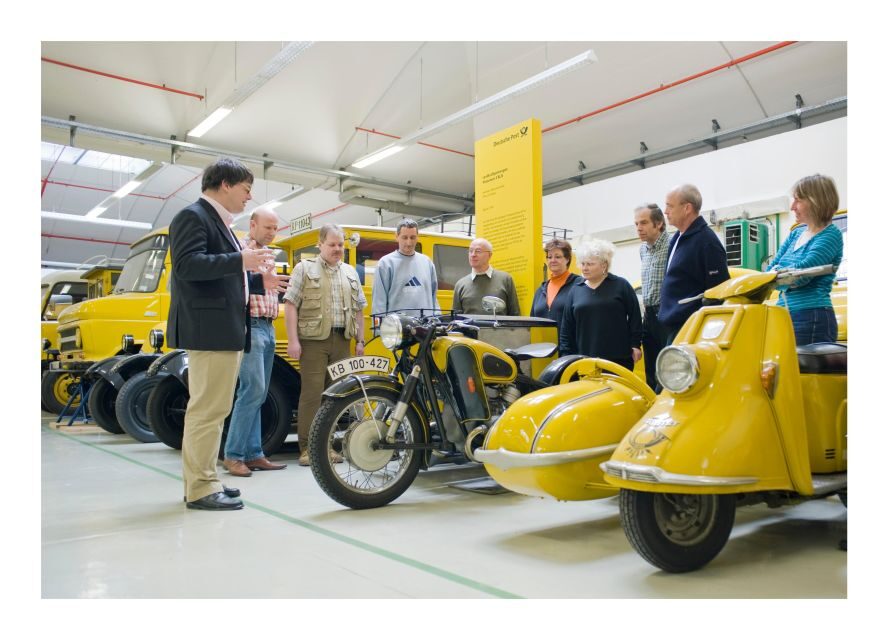
One of the most memorable features here is simple: you can photograph yourself with rare historic vehicles. This is a small thing on paper, but it’s unusually effective in a museum like this.
Tech displays can blur together. A photo moment forces you to pause, look up, and frame something you’ll remember later. It also adds personality. You’re not only learning; you’re leaving with a visual anchor.
If you care about photos, arrive ready to take a few quick shots rather than waiting for the perfect “one great” picture. Museums move at a human pace, and the guided timing keeps things moving.
Museum of Communication Frankfurt: why the second ticket is a smart add-on
This experience includes an entry ticket to the Museum of Communication Frankfurt in addition to the depot tour. That pairing is valuable because it gives you two perspectives: one is the collection experience in Heusenstamm; the other is what gets presented in Frankfurt.
You may notice a difference in how much you can see at once. The Frankfurt museum likely shows only a portion of the total communications story compared with what a depot can store and display as a collection overview. That doesn’t make Frankfurt weaker—it makes it different.
Think of it this way: the depot tour helps you understand the “big machinery” of communication history. Frankfurt gives you a more finished museum experience, where displays are arranged to tell the story clearly for a typical visit.
If you only have time for one visit, the depot guided tour is the stronger educational sprint. If you have a bit more time and energy, the Frankfurt ticket lets you slow down and connect the dots with fewer objects competing for your attention.
Price and value: $16 for two communication venues
At $16 per person for a 1.5-hour guided walking tour plus entry to both the Museum Depot in Heusenstamm and the Museum of Communication Frankfurt, the value is easy to justify.
You’re paying for two things:
- A guide’s interpretation of a huge technical collection
- Access to both sites, so you aren’t forced to choose between depot storage-scale history and a more traditional museum presentation
For context, most museum add-ons cover just one ticket or one guided experience. Here, the price packages the “learning with direction” piece together with “keep exploring on your own” time via the second entry ticket.
Also, the time is realistic. 1.5 hours is long enough to build a timeline, but short enough that you can still visit Frankfurt without feeling like your whole day gets eaten.
Logistics that matter: German guide and Friday timing in Hessen
The live tour guide is German. If you speak only basic German, it can still work—museum guides often use the same visual cues and object-focused explanations—but you’ll get more out of it if you can follow at least the main points.
Duration is 1.5 hours, so plan your day around that. If you’re scheduling Frankfurt right after, leave breathing room. Museum navigation plus walking and photo stops add up fast.
One timing tip is worth taking seriously: if you’re coming on Friday afternoon, plan extra buffer time. Roads can be busy, and the depot entrance area may be affected by local setups that partially obscure the approach. In plain terms: don’t arrive at the last minute expecting everything to be smooth and fast.
And one practical note: food and drinks are not included. Bring a snack if you need one, or plan a stop before or after your museum time.
Who this tour suits best (and who might want to adjust)
This is a great fit if you enjoy seeing how everyday tech evolves: telephones, radio, television, and the equipment that helped communication scale up across distances.
It’s also ideal if you like museums that mix engineering with design and culture. The depot’s inclusion of both massive communication artifacts and a painting collection means the visit doesn’t stay stuck in one mode.
You might want to adjust expectations if you’re looking for a hands-on workshop or a super-detailed technical breakdown of every single object. With 1.5 hours, the guide is giving you a guided path through a vast storehouse, not a full inventory tour.
Should you book the Museum Depot Heusenstamm tour?
I’d book it if you want the fastest way to get oriented in communication history without drowning in details. The combination of a guided walk through the telephone collection and the chance to see early TV, radio design icons, and large-scale artifacts makes this feel like a smart education stop.
It’s especially worth it if you’re the type who enjoys museums enough to keep thinking about them afterward. With a collection this large, you’ll likely leave with a sense that you didn’t see everything—and that’s a sign the visit gave you momentum, not just a checkbox experience.
If you speak German and you can spare 1.5 hours, this is an excellent value. Add Frankfurt afterward, and you’ll get a fuller picture than either venue can deliver on its own.
FAQ
How long is the guided tour in Heusenstamm?
The guided walking tour lasts about 1.5 hours.
Where does the tour take place?
The guided portion takes place at the Museum Depot in Heusenstamm (Hessen, Germany). The experience also includes entry to the Museum of Communication Frankfurt.
What’s included in the price?
Your ticket includes entry to the Museum Depot in Heusenstamm, the 1.5-hour guided walking tour, and entry to the Museum of Communication Frankfurt.
Is food or drinks included?
No. Food and drinks are not included.
What language is the live tour guide?
The live tour guide speaks German.
Can I get a refund if I change my plans?
Yes. You can cancel up to 24 hours in advance for a full refund.
Is there a reserve now, pay later option?
Yes. You can reserve now and pay later, keeping your plans flexible.