REVIEW · FLENSBURG
Flensburg: Private Guided Walking Tour
Book on GetYourGuide →Operated by Travmonde OÜ · Bookable on GetYourGuide
Flensburg sounds German, but it’s half Danish.
This private walking tour follows the town’s Danish-German story through architecture you can still see, plus the big political turns that shaped daily life for centuries.
I especially like how the guide ties what you’re looking at to real historical phases, from medieval Danish founding to later control by the Duchy of Schleswig and the Kingdom of Prussia. I also love the practical, human touch shown in the feedback: one guide reminder was to plan for the cold, and another tour focus was stories that stay interesting even when you’re away from the usual hotspots.
The one catch: it’s a proper walk for 90 minutes, and it’s not suitable for wheelchair users or people with mobility impairments, so bring comfortable shoes and be ready for time on your feet.
In This Review
- Key things to look forward to
- Flensburg’s Danish-German split is the whole point
- Starting outside Saint Nikolai Church to orient your brain
- Medieval Danish founding and why it still shows up
- The Schleswig to Prussia shift: power changes, daily life follows
- Thirty Years’ War and the Battle of Flensburg: history with real stakes
- The Harbour and the City of Rum trade you can almost taste
- Architecture and the Danish minority’s influence: what to watch for
- Private group value: $280 per group, up to 15 people
- What to bring, and who the walking route fits
- Should you book this Flensburg private walking tour?
- FAQ
- Where does the tour meet?
- How long is the private guided walking tour?
- What does the tour cost?
- Is this a private tour?
- What languages are available?
- What is included in the price?
- Are entrance fees included?
- Can the tour be customized?
- What should I bring?
- Is the tour suitable for wheelchair users?
- Is there free cancellation?
- Is pay later available?
Key things to look forward to
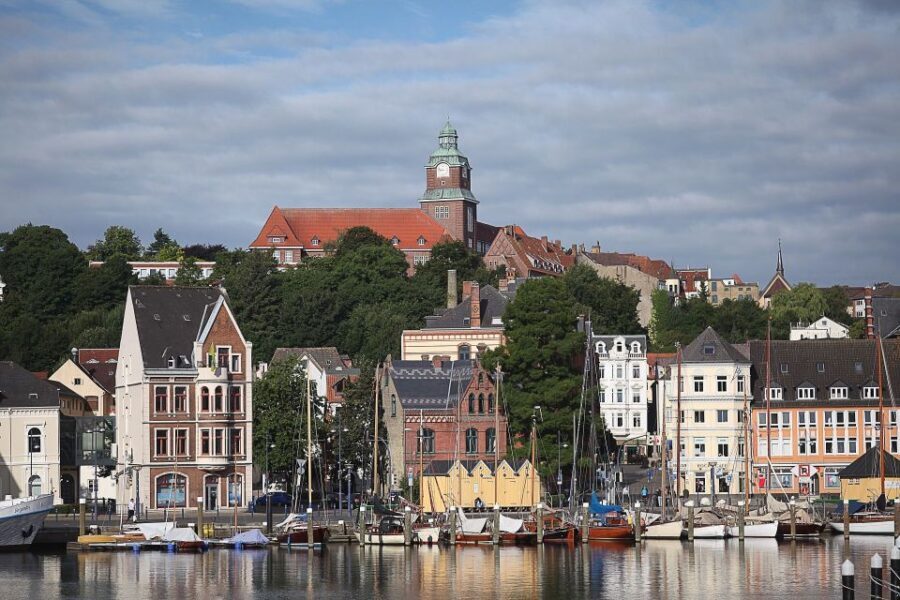
- Danish roots you can spot in the old town even when you expect only German influence
- Politics made visual, from Schleswig to Prussia, explained in plain walking terms
- War stories connected to places, including the Thirty Years’ War and the Battle of Flensburg
- Harbor time for the City of Rum, tied to Caribbean trade that still leaves traces
- Architecture with Danish-minority influence, not just dates on a sign
Flensburg’s Danish-German split is the whole point
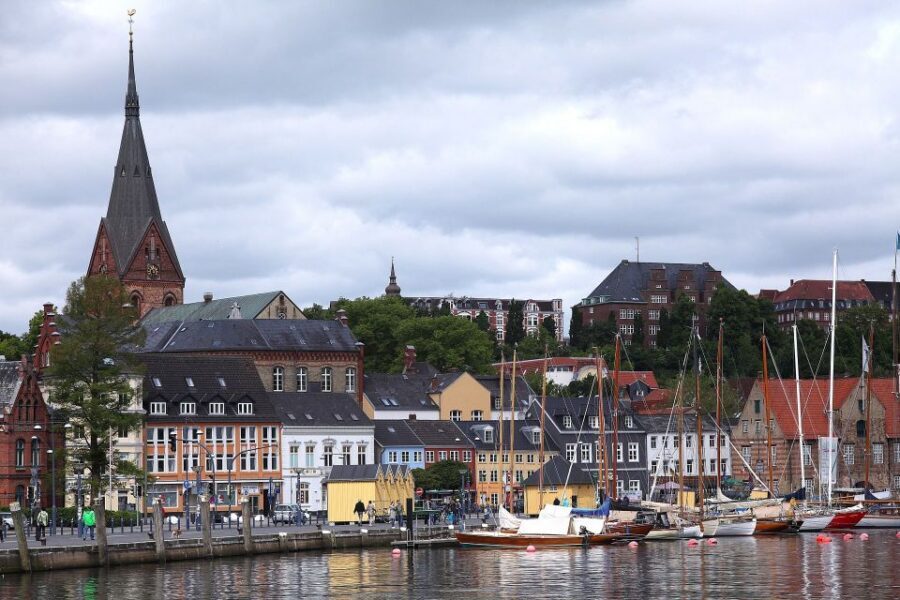
Flensburg sits near the German-Danish border, and that location matters. For over 400 years, the city was ruled by the Danish king. So it’s not a quick “culture stop.” It’s a place where mixed rules shaped buildings, neighborhoods, and local identity.
What you’ll get on this tour is a guided translation of that mix. Instead of treating Danish influence like trivia, your guide explains how it shows up in the town’s look and how people relate to the German-Danish border story. You’ll also get the longer timeline: the town is about 700 years old in the way it’s been layered, not erased.
One more detail that changes how you see the streets: Flensburg was one of the few towns not destroyed during World War II. That means many historic buildings from different periods stayed standing. When you walk by, you’re not just seeing pretty facades—you’re seeing continuity.
You can also read our reviews of more tours and experiences in Flensburg.

Starting outside Saint Nikolai Church to orient your brain
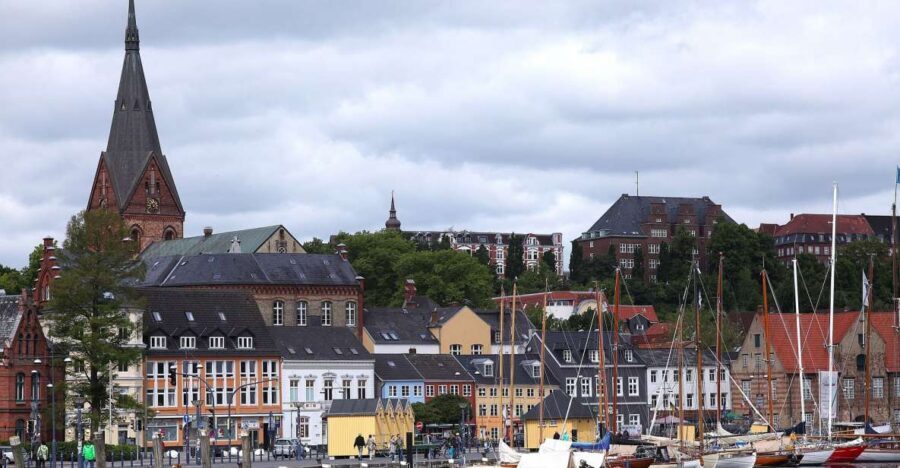
The tour begins at Saint Nikolai Church, Nikolaikirchhof 8, right in the historic core. Starting here is smart because it gives you an anchor point—church-centered old towns make more sense when you first learn how the area works.
From there, you’ll move through the old-town fabric while your guide explains the Danish roots and the city’s evolution over time. This is the part where the tour clicks, especially if you enjoy history but don’t want lectures. Expect the guide to point out how power and culture changed, then connect those changes to what you can still see in the streets.
Practical note: one of the best pieces of feedback was that the guide specifically reminded the group to account for the cold. So if you’re touring in winter, plan like you’re going outside longer than you think—dress for wind and lingering chill, not just the hour on the calendar.
Medieval Danish founding and why it still shows up
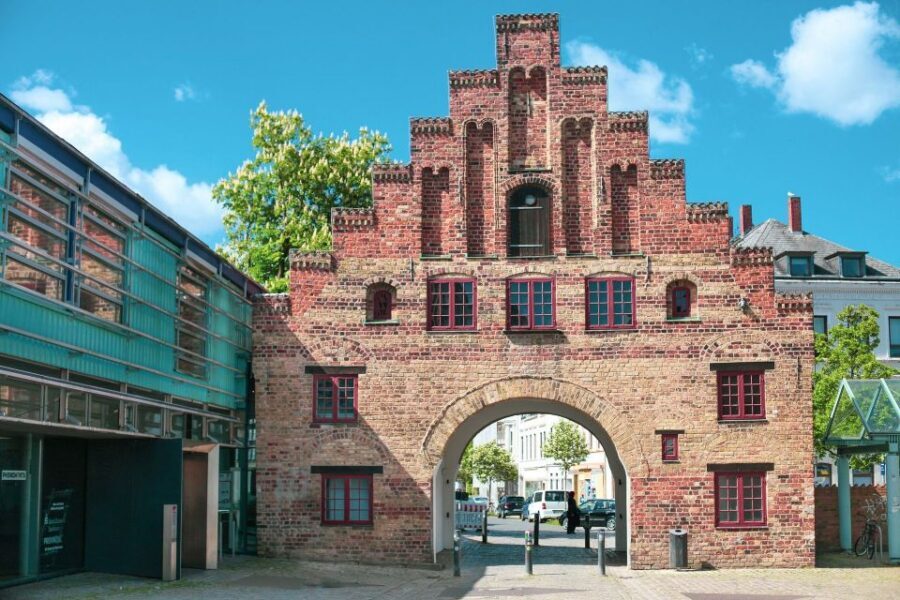
Flensburg’s founding story includes Danes playing a major role in the Middle Ages. That’s not just a date. It’s why you’ll hear the tour frame the city as a border town with Danish DNA.
As you walk, you’ll get the sense that the Danish period didn’t vanish; it left physical and cultural markers. The goal isn’t to memorize a timeline. It’s to train your eyes. You’ll notice how Danish influence intersects with later German developments, so the town doesn’t feel like a random mix. It feels like a long conversation between neighbors.
This is also where Flensburg’s role in larger structures becomes clear. Your guide talks about the city’s position in the Duchy of Schleswig, and how that fed into shifting authority and identity. If you’ve ever wondered why borders in Northern Germany feel unusually “personal,” this is where it becomes understandable.
The Schleswig to Prussia shift: power changes, daily life follows
Another big theme you’ll hear about is Flensburg’s later role under the Kingdom of Prussia. Political change can sound abstract, but on a walking tour it turns concrete: your guide connects power shifts to how the city developed and how different influences coexisted.
Here’s why you’ll likely care about this section: it helps you read the town without forcing everything into one national story. Instead of picking a side, the tour explains how the city functioned across different regimes—Danish roots earlier on, then Prussian-era administration and cultural influence.
And because Flensburg wasn’t heavily erased by wartime destruction, those layers remain visible. You’re not walking past “reconstructions” as often as you might elsewhere. That gives the political story a sense of weight, because the town’s physical evidence is still there.
Thirty Years’ War and the Battle of Flensburg: history with real stakes
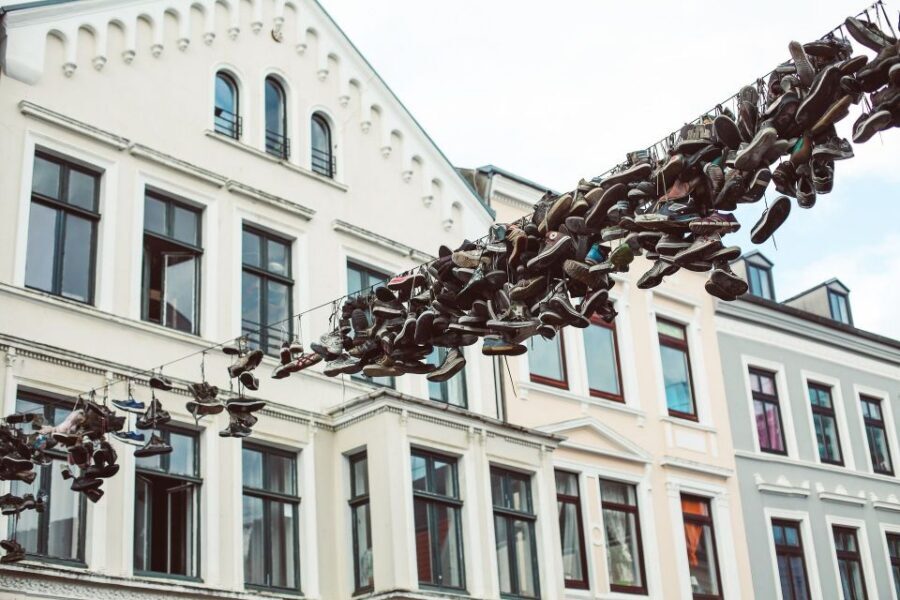
The tour also addresses the impact of the Thirty Years’ War and the Battle of Flensburg. These aren’t the kind of events you can understand only from a caption. The value here is the explanation of what those conflicts meant for a border city—movement of power, insecurity, and the way wars shape cities even long after the fighting ends.
On this kind of guided walk, the goal is to connect the story to the streets. You’ll hear how the city’s strategic position mattered, and how war-era decisions reverberated into later chapters. You might not see a dramatic battlefield scene under your feet, but you will get context that makes the city’s development feel less random.
This is also where off-the-sight-storytelling shows up. One review highlighted that the guide kept things interesting even beyond the obvious hotspots. That’s often exactly what you want for war history: explanation that doesn’t rely on you being in front of a single landmark.
The Harbour and the City of Rum trade you can almost taste
One of the most fun parts of Flensburg is the rumor—or, more accurately, the rum—connection. In the 18th century, Flensburg was nicknamed the City of Rum because of trade links with the Caribbean islands.
Your walk takes you toward the harbour area, where that mercantile story becomes more believable. Even without turning into a “ship museum” visit, you’ll get pointers on how trade shaped the town’s life and why the harbour area still carries the energy of commerce.
This section is great value because it adds texture. Politics explains control; trade explains what people did day to day. That blend makes Flensburg feel like a lived-in city, not just a historical stage.
Architecture and the Danish minority’s influence: what to watch for
Flensburg’s architecture is a major reason this tour works well. Since the town retained many historic buildings, the Danish-German story is visible in brickwork, street patterns, and the overall character of buildings from different eras.
You’ll also learn about the Danish minority and how its cultural influence has stayed present over time. That matters because it shifts the idea of “two countries” from a past event to something continuing. Even if you know Denmark and Germany are neighbors, you might not have realized how visible minority culture can be in everyday city life.
As you walk, don’t worry about naming every style you see. Let the guide do the matching. You’ll get explanations for what you’re looking at, and you’ll come away with a better sense of what makes Flensburg feel distinctive compared with other Northern German towns.
Private group value: $280 per group, up to 15 people
Price is $280 per group, for up to 15 people, and the tour lasts 90 minutes. For a private walking tour, the key value isn’t just the duration. It’s the ability to keep the pace and attention on your group—especially if you want your questions answered in real time.
If you’re traveling with a small group or a family, this can feel like a bargain compared to multiple separate tickets for individual guides. Up to 15 is also big enough for friends who want the same story at the same time, with no joining other groups.
One more value lever: the tour can be customized on the spot with your local guide. That’s useful when your group has a clear interest—history heavy, architecture heavy, or trade-and-harbour focused—because you can steer the walk without needing to pre-plan everything.
The experience provider is Travmonde OÜ, and the tour is delivered by a live local guide in German or English.
What to bring, and who the walking route fits
Bring comfortable shoes. This is a walking experience through the old town and toward the harbour, so you’ll be on foot for the full 90 minutes.
The tour is not suitable for people with mobility impairments and not for wheelchair users. If mobility is an issue for you, it’s worth choosing a different format in Flensburg where you can sit more or where routes are fully accessible.
If you’re sensitive to weather, plan smart. One piece of feedback specifically mentioned the guide prompting the group to account for the cold. So dress in layers and don’t assume the weather will be mild just because the day looks nice.
Should you book this Flensburg private walking tour?
Book it if you want Flensburg’s Danish-German story explained in a way that matches what you can see while walking: old-town layers, political shifts, war context, and trade history near the harbour.
Skip it if you need full accessibility accommodations. This one is simply built as a walking tour.
Also, book it if you like guides who go beyond the obvious. The strongest feedback points to interesting stories that aren’t only about the top surface-level sights. And if you’re the kind of person who enjoys connecting architecture to the people who lived in it, you’ll get a lot out of this 90-minute format.
FAQ
Where does the tour meet?
Meet your guide in front of Saint Nikolai Church, Nikolaikirchhof 8, 24937 Flensburg, Germany.
How long is the private guided walking tour?
The tour lasts 90 minutes.
What does the tour cost?
The price is $280 per group, up to 15 people.
Is this a private tour?
Yes, it’s a private group experience.
What languages are available?
The live guide speaks German and English.
What is included in the price?
A local guide is included, and your guide will be with only your group. Customizing on the spot may also be possible.
Are entrance fees included?
No. Entrance fees are not included.
Can the tour be customized?
Yes. You can request possible customizing on the spot with your local guide.
What should I bring?
Wear comfortable shoes.
Is the tour suitable for wheelchair users?
No. It is not suitable for people with mobility impairments or for wheelchair users.
Is there free cancellation?
Yes. You can cancel up to 24 hours in advance for a full refund.
Is pay later available?
Yes. You can reserve now and pay later to keep your travel plans flexible.