REVIEW · COLOGNE ZOOLOGICAL GARDEN
Cologne: Cologne Zoo and Aquarium Entry Ticket
Book on GetYourGuide →Operated by AG Zoologischer Garten Köln · Bookable on GetYourGuide
One ticket, two worlds. Cologne Zoo turns Cologne into a global animal walk, with 10,000+ animals across 850 species and family-friendly close viewing. I especially love the scale and realism of the Asian elephant park and the huge dinosaur sculptures that kids can spot from across the grounds. The main catch: the Tropical House must stay closed until mid-2026, so you’ll want to plan around that.
Here’s the best part for a day out: the zoo isn’t just a list of exhibits. It’s built like a series of mini-adventures, from African river habitats to the jungle rooms of the Americas. You’ll also get an included aquarium pass, which adds variety even if it’s not the star of the show.
If you’re visiting with kids, rain, heat, or both won’t stop the fun. There are sheltered areas and indoor exhibits, plus a farm stop where you can pet animals (with strict rules), which makes the whole day feel more hands-on.
Key highlights not to miss
- 2-hectare Asian elephant park with a herd roaming together
- Hippodom and African river setting for hippos and Nile crocodiles
- Rainforest Hall / South America House with sloths, monkeys, piranhas, and more
- Clemenshof farm where only goats and sheep can be petted
- Giant dinosaur sculptures including a 15-metre-tall Argentinosaurus
- Included aquarium access for extra animal time (plan on it adding, not replacing, zoo time)
In This Review
- Cologne Zoo and Aquarium: What Makes This Day So Easy
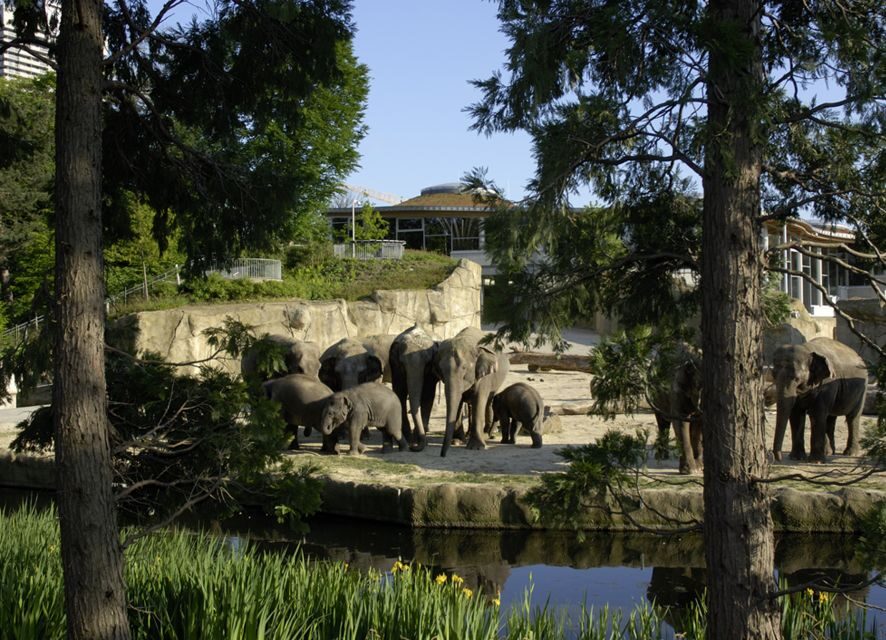
- The Elephant Park: The Main Event in the 2-Hectare Asian Habitat
- Hippodom and the African River World (Hippos, Crocs, and Antelope)
- Rainforest Hall and the Historical South America House
- Amur Tigers and the Big-Cat Factor
- Clemenshof Farmyard: Petting Goats and Sheep the Right Way
- Giant Dinosaur Sculptures: The Family-Friendly Staging
- Included Aquarium Access: How Much Time to Give It
- Timing That Works: Getting the Most From 1 Day
- Money and Value: Why This $27 Ticket Feels Fair
- Rules You Should Know Before You Go
- Should You Book the Cologne Zoo and Aquarium Entry Ticket?
- FAQ
- How many animals and species can I see?
- How long is the visit?
- Are food and drinks included?
- Can I pet animals at Clemenshof?
- What’s open and what’s closed right now in the zoo’s tropical areas?
- What are the opening hours?
Cologne Zoo and Aquarium: What Makes This Day So Easy
Cologne Zoo sits in the heart of the city, so you don’t need a whole transport plan just to get to the action. From Cologne main station, you can reach it via underground line 18, and from Ebertplatz you can use bus line 140. Once you’re there, the layout makes it simple to keep moving without feeling like you’re sprinting.
What I like most is how the exhibits feel designed for real viewing. The zoo groups animals in themed spaces, and the paths guide you from one “world” to the next. In practice, that means you can build a day that works for your group: adults can focus on the big-habitat highlights, and kids can bounce between the farm, the indoor jungle areas, and the dinosaur zone.
You’ll also appreciate the scale. This is not a quick stop. You should plan a full day, because there’s a lot more than elephants and big cats. Between the animal houses, outdoor habitats, and the aquarium access, you’ll earn that ticket price.
The Elephant Park: The Main Event in the 2-Hectare Asian Habitat
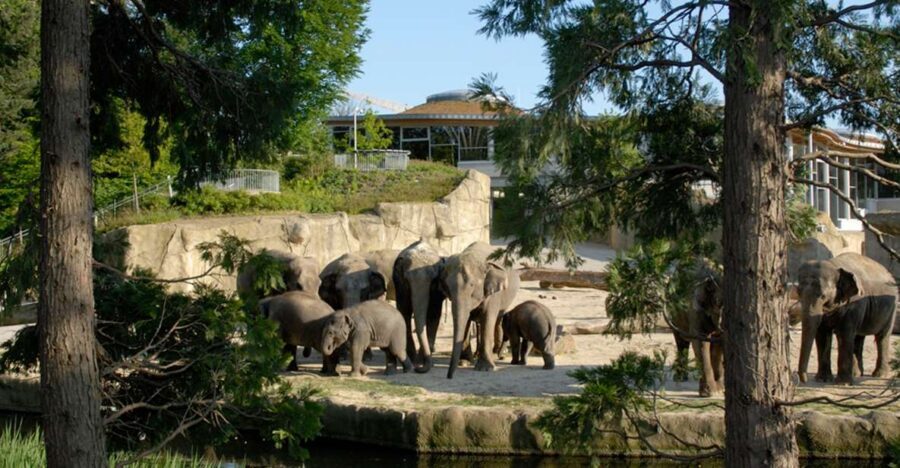
If you only had time for one highlight, make it the elephants. Cologne Zoo’s Asian elephant park is described as the largest and most modern elephant park in the world, and it’s the only one of this size in its kind. The big value here isn’t just the “wow” factor. It’s that the space is meant for the herd to live and move as a group, so your visit feels like you’re watching real animal behavior, not a quick photo stop.
When you arrive, give the exhibit a few minutes before you decide where to stand. Elephant areas are best viewed from multiple angles because the herd can shift around at different times. If you’re there on a warm day, you’ll also want to look for shaded viewing points and nearby spots to rest.
One more smart point: if you’re traveling with kids, elephants are a confidence builder. Even if everything else is a blur, elephants usually deliver a steady stream of “look at that!” moments. Add that to the fact that the zoo can be enjoyable even in less-than-perfect weather, and you’ve got a solid anchor for the day.
Hippodom and the African River World (Hippos, Crocs, and Antelope)
After elephants, I like transitioning to the Hippodom, a habitat that recreates an African river environment. This is where the zoo’s theme planning shows up in a practical way: the setting helps you understand what you’re seeing. Hippos and Nile crocodiles aren’t just animals in enclosures. They’re part of a single ecosystem-style space.
What makes this stop satisfying for many visitors is variety. You’re not only watching the big, obvious animals. You can also look for the smaller details that support the habitat theme, including species like Sitatunga antelope mentioned as part of the experience.
This is also a good area to slow down. If you’re the type who likes to read signs and get the context, this is one of the places where that pays off, because the “river” concept makes the viewing feel more meaningful.
Rainforest Hall and the Historical South America House
This is the section of the day that helps the zoo feel more than a standard animal collection. The Rainforest Hall and the Historical South America House take you into jungle habitats with Central and South American species.
Here’s what you can expect to see:
- sloths
- armadillos
- salt cats
- howler monkeys
- monkeys (a range, as described)
- piranhas
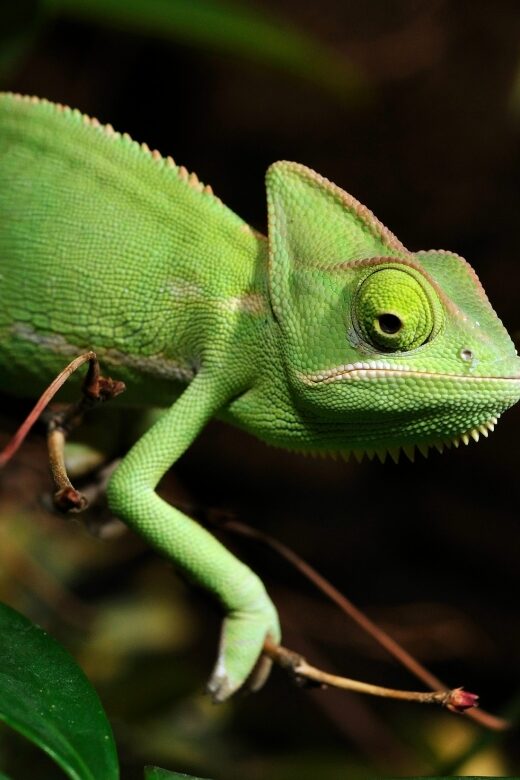
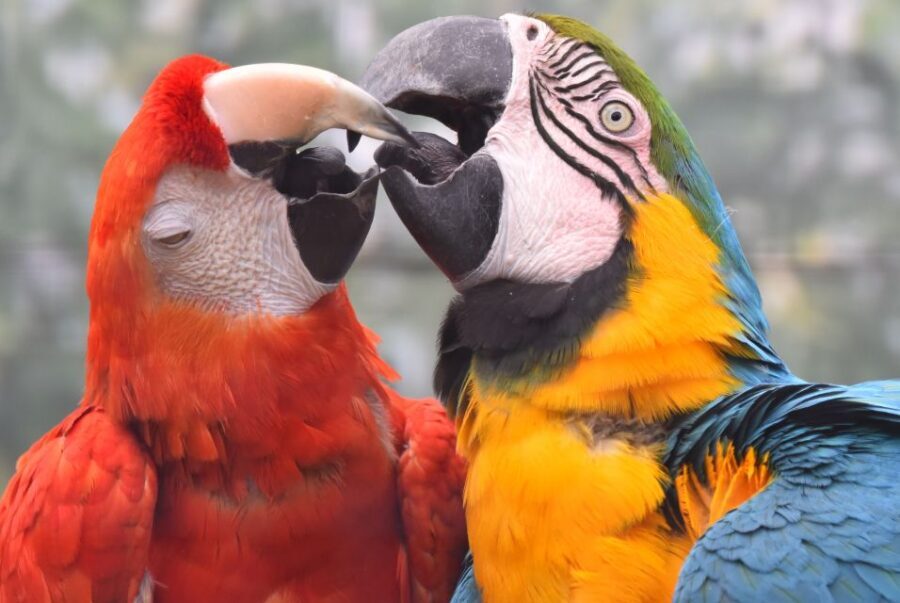
You’ll also find free-flying tropical birds and reptiles moving throughout the hall. That matters because the indoor spaces often break up the walking rhythm. On days when the weather isn’t friendly, indoor animal houses can turn a “we’re stuck inside” moment into a highlight.
One more key detail: the Tropical House is closed until mid-2026 for energy refurbishment to the latest standards. That closure doesn’t ruin the rainforest experience you’re buying here, but it does mean you should not build your day around that specific tropical indoor complex. Plan your priorities around the Rainforest Hall and the other open animal houses.
Amur Tigers and the Big-Cat Factor
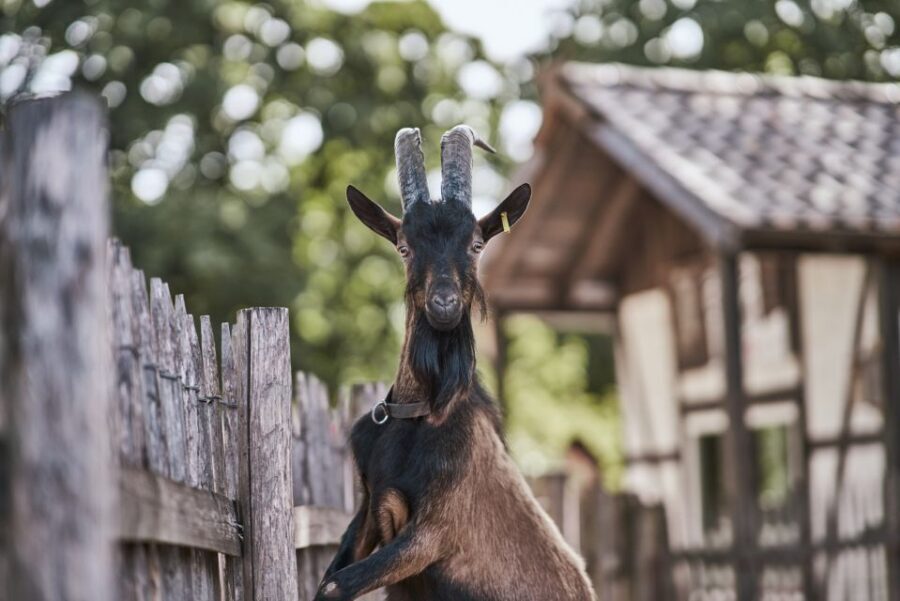
Big cats are the “finishers” in many zoo days: they pull kids forward, and they keep adults leaning toward the rails for longer than expected. Cologne Zoo includes an Amur Tiger facility, where you can observe the big cats up close.
Even if your group isn’t obsessed with tigers, the presence of a dedicated facility changes the tone of the day. It adds contrast after the rainforest and river environments. It’s also a good checkpoint for anyone who wants the day to feel balanced: you get elephants, river giants, jungle specialists, and then the clean intensity of a predator exhibit.
Clemenshof Farmyard: Petting Goats and Sheep the Right Way
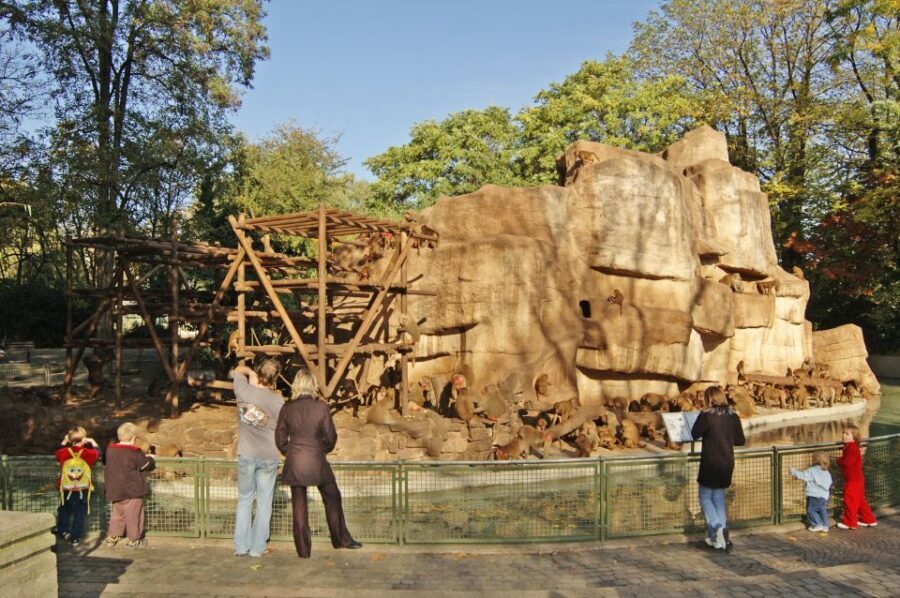
If you’re traveling with children, Clemenshof is the stop that often makes the day feel personal. It’s a replica of a traditional farm and focuses on native German species. The petting area is simple and specific: you can pet goats and sheep only.
Why this matters: there are clear rules about animal interaction. In the broader zoo, feeding animals and touching animals are not allowed. At the farm petting area, the rules get tighter and clearer so kids get a safe, controlled experience instead of wandering into “maybe we can touch” confusion.
I also like that Clemenshof helps families pace themselves. After a run of indoor jungle rooms and big-habitat displays, a farm stop gives you a different kind of attention. It’s slower, easier for kids to follow, and it gives adults a breather.
Giant Dinosaur Sculptures: The Family-Friendly Staging
Cologne Zoo doesn’t treat dinosaurs as a quick gimmick. The dinosaur zone is built around massive sculptures placed in prominent locations, so you keep spotting them as you walk rather than hunting them down.
The standout piece is the Argentinosaurus, listed as 15 metres high and 35 metres long. You’ll find it on the meadow in the middle of the zoo by the Old Rhino House. Other eye-catching sculptures include:
- Tyrannosaurus Rex: 3.5 metres high and 12 metres long, staged on the large zoo pond
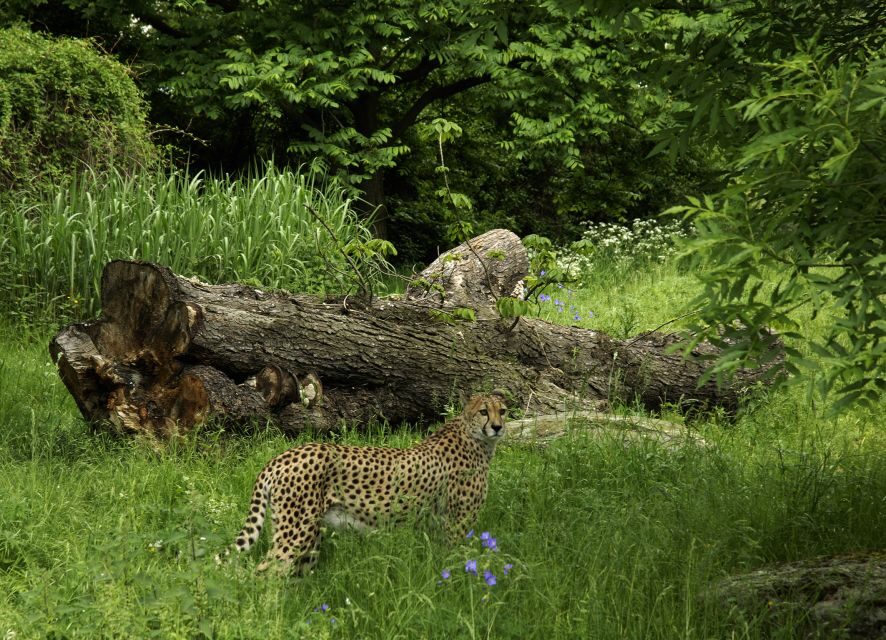
- Velociraptor: giant carnivorous teeth staged opposite the baboon rock
- Hypselosaurus: 7 metres long, at the pelican enclosure
- Europasaurus: 8 metres long, near the main entrance
- Triceratops: 10 metres long, including its young, near the tapir outdoor enclosure
One small detail that makes this section more fun: many of the figures move, including opening and closing their mouths. The sculptures were specially made for Cologne Zoo and shipped in from overseas, and the zoo cooperates with the US company Dino Don, known for dinosaur shows.
If your kids love dinosaurs even a little, plan to spend more than a minute here. It’s one of the easiest ways to turn the zoo into a story you can talk about on the ride back.
Included Aquarium Access: How Much Time to Give It
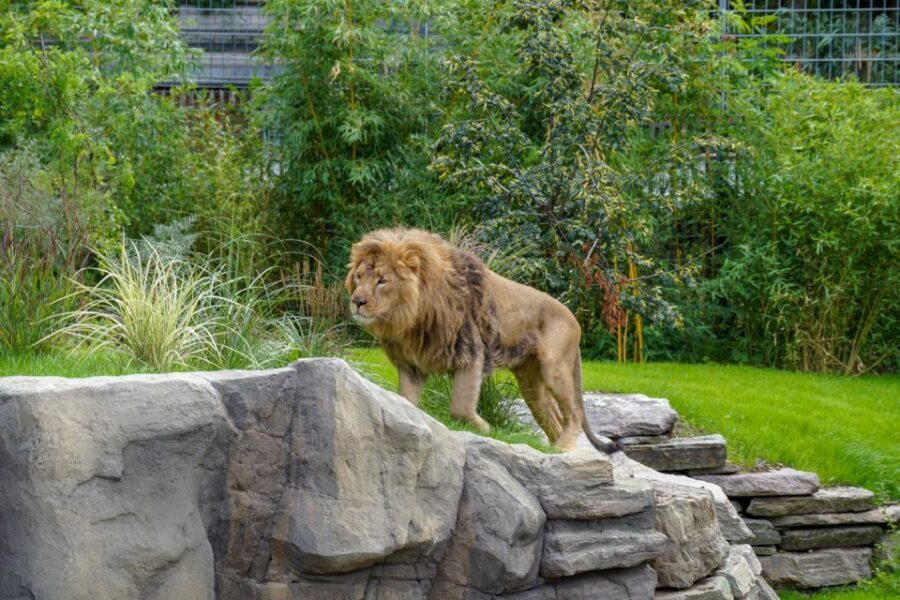
Your ticket includes aquarium access, which is a nice bonus. But I’d treat it like the “extra chapter,” not the main plot.
The aquarium design is useful for adding variety after the zoo’s outdoor and indoor animal houses. Still, it’s often smaller than the zoo experience itself, so don’t assume it will replace zoo time if you’re short on energy.
A practical tip: if you enter the aquarium later in the day, you might find more animals resting than expected, since many animals follow daily rhythms. If your priority is active sightings, aim to do the aquarium earlier or build it into the morning/early afternoon plan.
Also, if your group likes shows or structured moments, keep an eye out for feeding times and scheduled moments during your visit. The zoo offers feeding times, and those can make your visit feel more timed and less like casual wandering.
Timing That Works: Getting the Most From 1 Day
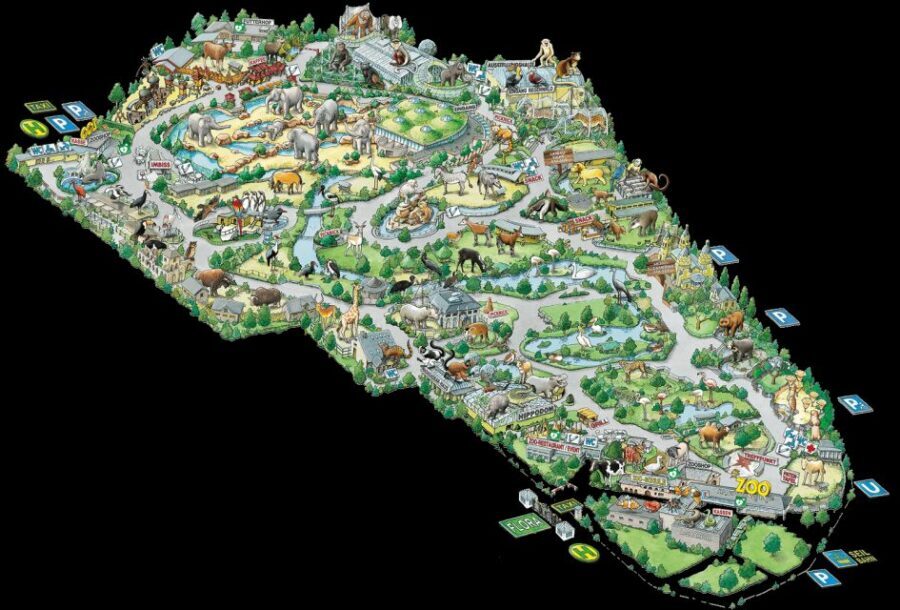
Cologne Zoo is open seasonally. In summer (March 1 to October 31), it runs from 9:00 am to 6:00 pm, with last entry at 5:30 pm and animal houses closing at 5:30 pm. In winter (November 1 to February 28), it runs from 9:00 am to 5:00 pm, with last entry at 4:30 pm and animal houses closing at 4:30 pm.
That’s not just trivia. It’s how you avoid the trap of arriving late and feeling like you rushed through the day. To get the most value, I’d start with the big anchors early:
1) elephants
2) Hippodom
3) rainforest jungle areas
4) Amur Tigers
5) Clemenshof
6) dinosaurs (woven into the walk, not saved until the end)
Then add the aquarium based on energy and time.
Weather matters too. On hotter days, there are shaded areas for breaks near enclosures. If it rains, indoor bird and monkey areas can keep the day going. The zoo also has plenty of seating and toilets, which helps when you’re walking with kids.
One more timing note: the Tropical House stays closed until mid-2026. If you were hoping for that specific tropical complex, shift your expectations and focus on the Rainforest Hall and the other open indoor areas.
Money and Value: Why This $27 Ticket Feels Fair
At about $27 per person, the price feels especially fair because you’re not only getting zoo entry. You’re also getting aquarium access, which stretches the day and gives you options if your group gets bored of one type of exhibit.
Value also comes from scale. You’re promised 10,000+ animals from 850 species, and the zoo is genuinely large. That’s how the ticket stops feeling like a quick transaction. You can return to the same day feeling like you “earned” it through variety and time on your feet.
Yes, food and drinks cost extra. Food choices can also vary by day, and on some visits only a limited number of food places may be open near key exits. My advice is simple: treat snacks as part of your plan. Bring a small stash if you can, or expect to pay for meals on-site.
The gift shop can be pricey too, so if your budget includes a souvenir, decide early and don’t fall into the “one magnet won’t hurt” trap.
Rules You Should Know Before You Go
Zoos are happiest when everyone follows the same boundaries. Here are the key no-go items listed for this visit:
- No drones
- No pets (assistance dogs are allowed)
- No bikes
- No feeding animals
- No touching animals
- No alcohol or drugs
- No skateboards, scooters, or skates
- No unaccompanied minors
- No riding the animals
- Drones and pets aren’t allowed for safety and health reasons, and touching is restricted for animal welfare.
On the plus side, the experience is wheelchair accessible, and wheelchairs can be borrowed free of charge if you reserve in advance. If you’re traveling with kids under 12, they must be accompanied by an adult to enter the zoo and aquarium.
Should You Book the Cologne Zoo and Aquarium Entry Ticket?
I’d book it if you want a full-day outing that works for mixed-age groups. The elephants, the Rainforest Hall, and the dinosaur zone give you three different “wow” styles in one visit. Add Clemenshof for petting goats and sheep, and the day becomes more interactive without turning into chaos.
I’d think twice if you were counting on the Tropical House, since it’s closed until mid-2026. And if your group only wants an aquarium-focused visit, this ticket is not built for that. It’s a zoo day first, with an aquarium extra.
If you like self-paced exploring and want a big, well-themed animal day in a walkable city setting, this ticket is a strong choice.
FAQ
How many animals and species can I see?
The experience highlights 10,000+ animals from 850 species.
How long is the visit?
It’s listed as a 1-day experience. Check availability for starting times.
Are food and drinks included?
No. Food and drinks are not included.
Can I pet animals at Clemenshof?
Yes, but only goats and sheep can be petted at the Clemenshof petting area.
What’s open and what’s closed right now in the zoo’s tropical areas?
The Tropical House must remain closed until mid-2026 due to energy refurbishment.
What are the opening hours?
In summer (March 1 to October 31), it’s 9:00 am to 6:00 pm with last entry at 5:30 pm. In winter (November 1 to February 28), it’s 9:00 am to 5:00 pm with last entry at 4:30 pm.